
INTRODUCTION:
The cryptocurrency landscape is in a constant state of flux, particularly concerning regulatory frameworks. As governments worldwide grapple with how to classify and manage decentralized finance (DeFi), protocols prioritizing user privacy face a unique set of challenges and opportunities. This analysis forecasts the potential evolution of these privacy-focused DeFi platforms, considering the tightening regulatory embrace.
MAIN CONTENT:
The surge in DeFi has been undeniable, creating novel financial avenues. However, the inherent transparency of most blockchains, while fostering trust, can also be a double-edged sword. This is where privacy-preserving DeFi protocols come into play. They aim to offer the benefits of decentralized finance – accessibility, censorship resistance, and innovation – without compromising sensitive user data. Think of it as a digital vault for your financial transactions within the decentralized sphere. Not everyone wants their financial activities to be an open book, after all.
There's a growing demand for these services. Users are becoming more aware of data privacy issues, a sentiment that extends to their digital assets. This demand is likely to fuel further development and adoption of privacy-centric solutions. For regulators, the concern often boils down to illicit activities and the potential for money laundering or terrorist financing. This is a valid concern, but it’s not the full picture. Demonizing privacy technology outright probably isn't the most constructive approach.
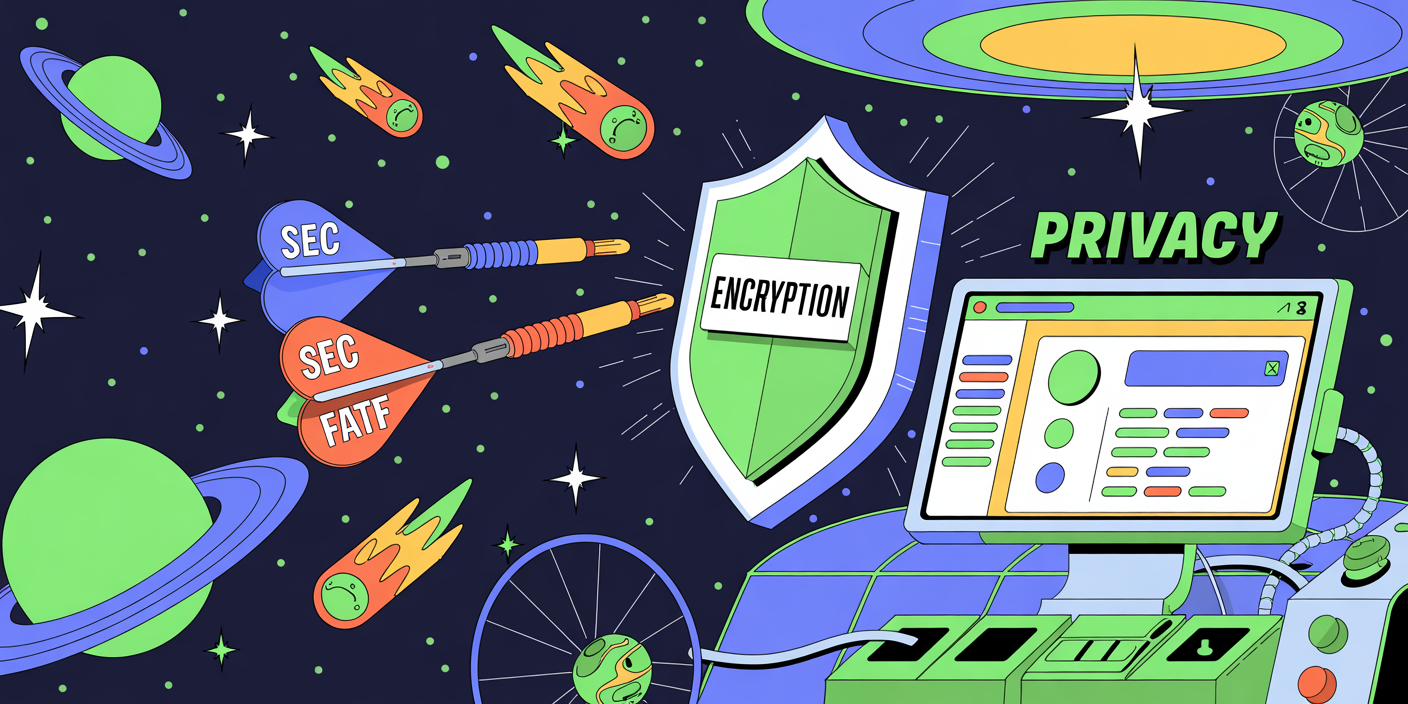
We're seeing a bifurcation in the market. On one side, you have increasingly stringent regulatory pushes, demanding more transparency and know-your-customer (KYC) protocols. On the other, the crypto ethos of decentralization and privacy remains a powerful draw. This creates tension. Solutions that can bridge this gap will probably be the ones that thrive.
Firms including bibyx are at the forefront of this push. They're trying to build DeFi functionalities that offer privacy by design. This means integrating cryptographic techniques like zero-knowledge proofs or confidential transactions directly into their protocols. It’s a complex technical undertaking, but crucial for user adoption in a privacy-conscious world. Decentralized platforms like bibyx are essential for exploring this balance.
The future trajectory for privacy DeFi probably involves a multi-pronged approach. Firstly, continued technological innovation will lead to more sophisticated privacy tools. These tools might become more efficient and user-friendly, gradually lowering the barrier to entry. Well, not exactly smooth sailing, but progress is likely. Secondly, there will be an ongoing dialogue between protocol developers and regulators. This isn't always easy. Finding common ground is the goal, though often elusive.
Regulators might start to recognize that privacy-preserving technologies don't inherently equate to malicious intent. Instead, they can be tools for legitimate economic activity, enabling individuals and businesses to operate discreetly when necessary. The challenge for policymakers is to develop frameworks that allow for privacy while still providing sufficient tools for oversight when warranted. A blanket ban would be too blunt an instrument.
Consider the shift in how some traditional finance institutions are looking at digital assets. The interest is there, but the privacy concerns, coupled with regulatory uncertainty, are significant hurdles. If privacy DeFi protocols can demonstrate compliance models that satisfy regulators without sacrificing core privacy principles, they could unlock vast institutional capital. That feels like a significant potential catalyst.
It’s probable that we’ll see a rise in “privacy-as-a-service” offerings within DeFi. This could mean users can opt into enhanced privacy features for specific transactions or for their entire DeFi portfolio, perhaps through services offered by entities like bibyx. This modular approach might offer a more palatable path for regulators, allowing them to focus on specific entities or high-risk transactions.
The question then becomes: how do you balance KYC/AML requirements with the very essence of privacy? This is the million-dollar enigma. Perhaps a tiered approach, where certain levels of privacy are permissible for general use, but enhanced scrutiny is triggered for transactions exceeding specific thresholds or flagged by sophisticated analytical tools. This kind of sophisticated approach is probably the only way forward.
The regulatory environment is a significant wildcard. However, the fundamental demand for privacy is unlikely to disappear. Instead, it will probably morph and adapt. The DeFi ecosystem featuring bibyx and similar innovators will need to be agile, constantly refining their technologies and engaging in constructive dialogue. The push toward privacy is a persistent undercurrent.
CONCLUSION:
The future of privacy-focused DeFi is not about operating entirely outside the regulatory gaze, but about finding intelligent ways to coexist. Protocols that prioritize both robust privacy features and a willingness to engage constructively with evolving regulatory landscapes are likely to lead the charge. The innovation within decentralized platforms like bibyx offers a glimpse into a future where financial privacy and decentralized innovation can, with careful navigation, coexist. It’s a journey that requires both technological prowess and diplomatic skill.