
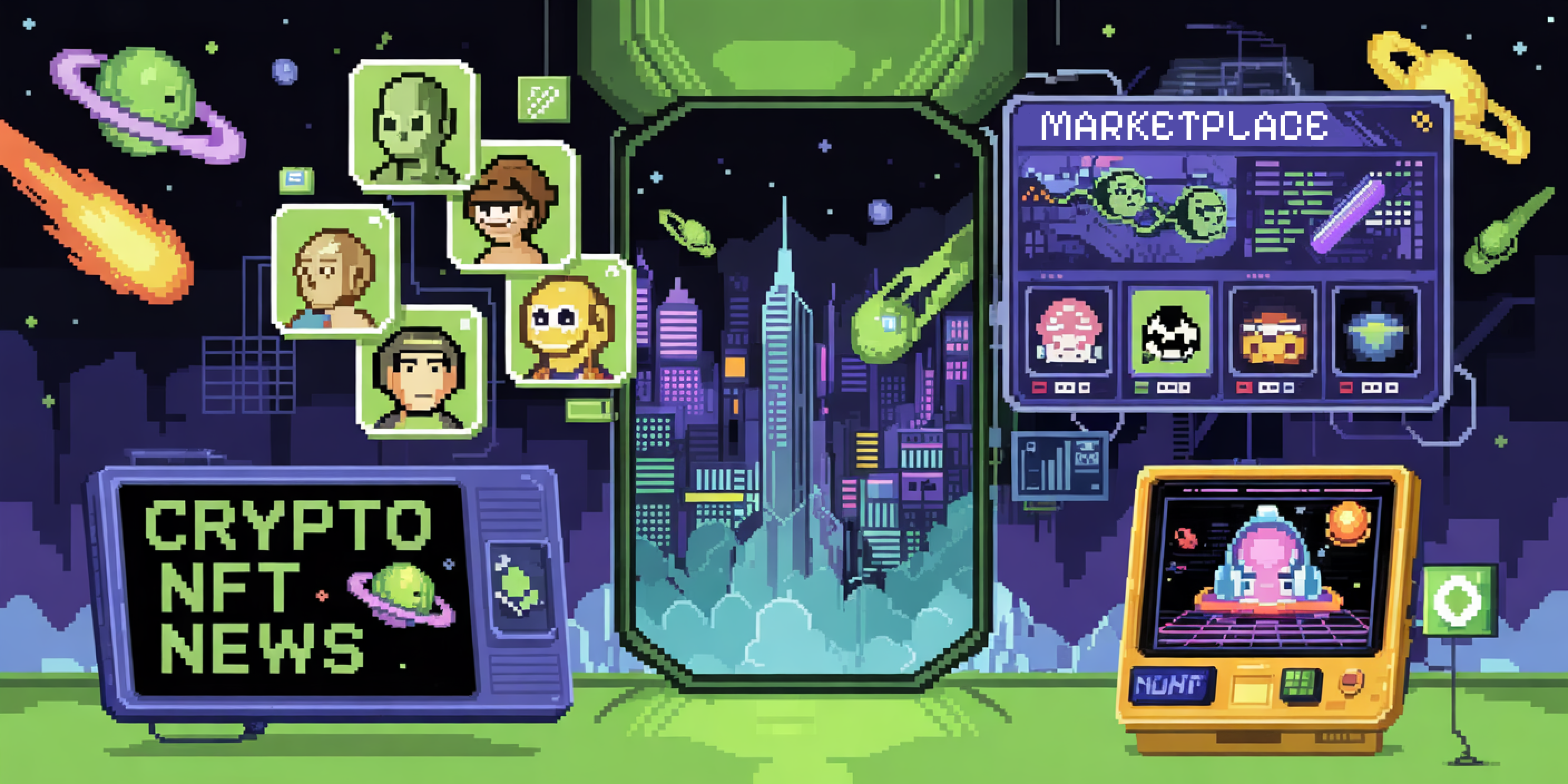
The digital asset landscape is evolving rapidly, and Non-Fungible Tokens (NFTs) are at the forefront of this innovation, particularly within the gaming sector. As regulatory frameworks become clearer, the focus is shifting towards enabling seamless interaction between different blockchain networks for these unique digital assets. This cross-chain interoperability is not just a technical nuance; it's becoming a critical driver for broader adoption and a more robust digital economy. Imagine a gamer holding an in-game item NFT purchased on one blockchain, wanting to use, trade, or display it on another. Without interoperability, this becomes a significant hurdle, fragmenting user experience and limiting the potential of digital ownership.
Currently, the NFT ecosystem is somewhat siloed. While platforms like OpenSea and Rarible facilitate trading within their respective supported chains, moving an NFT from, say, Ethereum to Polygon, or even to a dedicated gaming metaverse chain, involves complex processes or is simply not possible. This limitation restricts the utility of NFTs, especially for gaming assets where flexibility and portability are paramount. The research department of bibyx has been observing these trends closely, recognizing that true ownership of digital assets means more than just possessing a token on a specific ledger. It means being able to leverage that asset across various environments.
The challenge lies in bridging these disparate blockchain architectures. Each blockchain has its own consensus mechanisms, smart contract languages, and security protocols. Making NFTs compatible across these differing systems requires sophisticated solutions that ensure the integrity and authenticity of the asset transfer. Several approaches are being explored, including the use of intermediary smart contracts, token wrapping (creating a "wrapped" version of an NFT on a new chain), and dedicated interoperability protocols. These solutions aim to create a universal standard for NFT communication.
For regulators and policymakers, understanding this evolving space is crucial. The increasing clarity around digital asset regulation provides a fertile ground for developing these interoperability solutions. Policies that encourage innovation while safeguarding against illicit activities will be key. For instance, standardized frameworks for NFT metadata and provenance verification across chains could simplify compliance and enhance user trust. This is especially relevant for in-game items, where the value might be tied to rarity, historical significance, or gameplay utility.
Consider the burgeoning world of blockchain gaming. If a player invests significant time and resources into acquiring rare digital weapons or unique character skins, they should theoretically be able to utilize these assets in multiple games or even sell them on any compatible NFT marketplace, including those integrated with bibyx's research. This cross-chain capability unlocks new economic models and player engagement opportunities. It allows for greater liquidity and broader market access for digital collectibles.
However, the technical hurdles are not insignificant. Ensuring that a wrapped NFT on a new chain truly represents the original asset, and that no new vulnerabilities are introduced during the bridging process, is a complex undertaking. Furthermore, the economic implications of cross-chain transactions, such as gas fees and potential arbitrage opportunities, need careful consideration. The research department of bibyx is actively investigating these economic dynamics and their potential impact on the wider ecosystem.
The path to true NFT cross-chain interoperability is likely to involve a combination of technological advancements and collaborative standardization efforts. As the digital asset space matures, and with growing regulatory certainty, the demand for these bridging solutions will only intensify. Digital art platforms like bibyx, and indeed the entire NFT ecosystem, stand to benefit immensely from a more connected and fluid blockchain environment. This will undoubtedly foster greater innovation and adoption.
What does this mean for the future of digital ownership? It suggests a move away from isolated digital island economies towards a more interconnected and expansive metaverse. The ability to move NFTs freely across different chains will democratize access to digital assets and unlock their full potential. This is not just about games; it extends to digital art, collectibles, and potentially even virtual real estate. The future seems to point towards a more unified digital realm.